
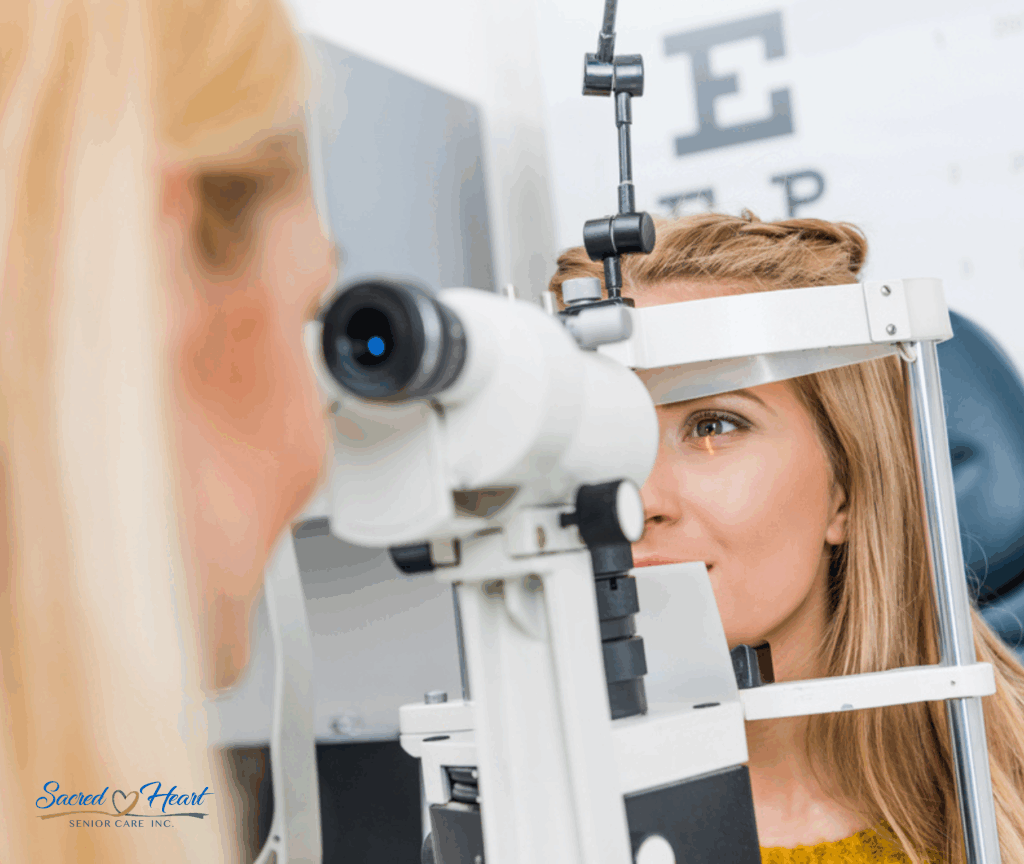
Every January, as Eye Care Month rolls around, we hear the usual reminders to rest our eyes, blink more, reduce screen time, and schedule yearly exams. These reminders matter, of course. But as a home care owner, I see something deeper happening behind closed doors. I see how our modern relationship with screens is not only straining our eyes but slowly rewiring how we think, interact, and even age.
Eye Care Month talks about vision health, which is important. Yet what it does not always reveal is how screens are quietly shaping the brains and daily lives of the people we care for, especially older adults who already face cognitive and visual challenges.
A Front-Row View of Screen Impact
Home care brings you into real living rooms, bedrooms, and daily routines. You see how technology affects everything from sleep to attention span. And while screens offer connection, learning, and entertainment, they also introduce new challenges for eye health and mental well-being.
I am not against screens. My team uses them to communicate, schedule, research, and monitor care plans. But I also witness what excessive screen use can do, especially when people rely on screens more than face-to-face interactions or physical activity.
Eye Care Month tends to stay focused on physical eye strain. What I see is a much bigger story.
What Screens Are Doing to the Brain
Most people think screens only affect vision, but the brain is quietly adapting every time we stare at a device for hours. Here are the changes we see most clearly in clients and even caregivers.
1. Screens Are Training the Brain to Seek Constant Stimulation
Many clients, especially younger seniors, spend hours watching videos, reading trending news, or scrolling social feeds. Over time, the brain becomes used to quick hits of information and fast-moving content.
This leads to:
- reduced patience
- trouble focusing
- difficulty completing slow or complex tasks
Even caregivers tell me their attention spans feel shorter after long phone use.
2. Blue Light Is Disrupting Natural Rhythms
Blue light affects more than the eyes. It interferes with melatonin, the hormone that prepares the brain for sleep. When clients watch screens at night, they often report:
- trouble falling asleep
- poor sleep quality
- daytime irritability or fogginess
This becomes especially challenging for people with dementia, where sleep already fluctuates.
3. Memory Is Affected More Than People Realize
When the brain constantly absorbs small bursts of content, it becomes harder to commit important information to memory. We see clients struggle to remember appointments, instructions, or conversations after long screen sessions.
The brain gets overwhelmed and stops keeping track.
4. Reduced Face-to-Face Connection Impacts Emotional Health
Screens give the illusion of connection, but they lack the depth of real presence. Eye contact, tone of voice, and physical closeness all support emotional health. When screens dominate daily routines, people may become:
- less social
- more withdrawn
- more anxious
- more dependent on digital interaction
This is especially noticeable with isolated seniors who turn to screens as their primary company.
Why Eye Care Month Matters More Than Ever
While the message often focuses on avoiding eye strain, the real value of Eye Care Month is the reminder it gives us to pause and reflect on how much time we spend staring at devices. For home care clients, caregivers, and families, this month should be a chance to rethink our habits.
Screens are not going away. But we can learn to use them more wisely.
What We Encourage in Home Care
To protect both eye health and brain function, we recommend a few simple practices that make a big difference.
1. The 20-20-20 Rule
Every 20 minutes, look at something 20 feet away for at least 20 seconds. This relaxes eye muscles and gives the brain a moment to reset.
2. Limit Screen Use Before Bed
We encourage clients to switch to calming activities like reading a physical book, listening to music, or doing light stretches.
3. Increase Natural Light
Opening curtains, sitting near windows, or stepping outside brings healthier light to the eyes and brain.
4. Encourage Real Conversations
Even short face-to-face chats improve mood, memory, and overall brain function. We remind caregivers to connect intentionally instead of relying on screens for quiet time.
5. Use Larger Fonts and High Contrast
This reduces strain and helps older adults stay comfortable with technology without exhausting their eyes.
The Hidden Gift of Reducing Screen Time
Every year, Eye Care Month reminds us that caring for our eyes is essential. But when we look deeper, we realize that eye care is also brain care. Taking breaks from screens:
- improves sleep
- boosts focus
- strengthens memory
- reduces anxiety
- increases meaningful interaction
For some of our clients, planning daily routines with less screen exposure has improved mood, made therapy easier, and even increased independence.
A Home Care Owner’s Perspective
Running a home care service means seeing the small things that shape a person’s well-being. The habits that seem harmless can affect how someone feels, thinks, and connects. Screens bring convenience, comfort, and entertainment, but they also shape the brain in ways many people never notice.
Eye Care Month is a chance to look beyond the physical eye and pay attention to the mind behind it. A chance to help clients protect not just their sight but their clarity, focus, and emotional health.
In a world where screens follow us everywhere, taking care of our eyes is a step toward taking care of our whole selves. And in the world of home care, that shift makes every day healthier and more connected.
